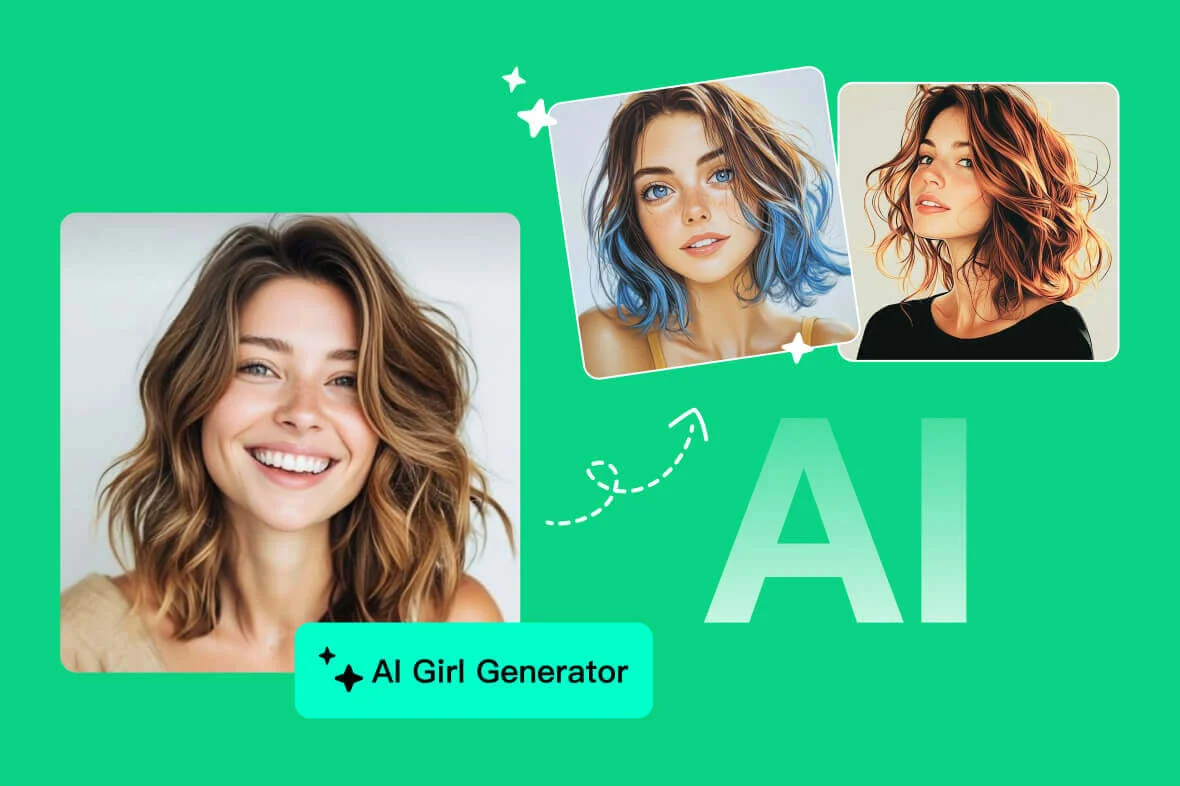
AI image generator
AI image generators have transformed the creative landscape, providing tools that empower everyone—from professional artists to hobbyists—to effortlessly produce impressive visuals. Utilizing deep learning models, these AI technologies can create images from text prompts, making visual storytelling more accessible and adaptable than ever. This rise in AI-driven creativity has unlocked new opportunities not only in the realm of art but also across various sectors, including marketing, entertainment, and education.
The technology that powers AI image generators is rooted in machine learning, specifically a technique known as Generative Adversarial Networks (GANs). GANs comprise two neural networks: one that generates images and another that assesses their authenticity. As the generator receives feedback from the evaluator, it progressively learns to produce more realistic images, refining its output with each cycle. Additionally, newer methods like diffusion models have surfaced, yielding even more sophisticated results. These advanced technologies have enhanced the detail and realism of AI-generated images, often making them indistinguishable from those crafted by human artists.
A key benefit of AI image generators is their role in democratizing creativity. In the past, producing high-quality images necessitated specialized expertise, costly software, and significant time commitment. Now, with just a straightforward prompt, anyone can create complex designs, imaginative landscapes, or even hyper-realistic portraits. For instance, an artist lacking experience in digital painting can generate an image of a futuristic city or an alien world using only a few descriptive phrases. The AI interprets the input and converts it into a visual form, serving as an invaluable resource for brainstorming, conceptual development, or enhancing artistic endeavors.
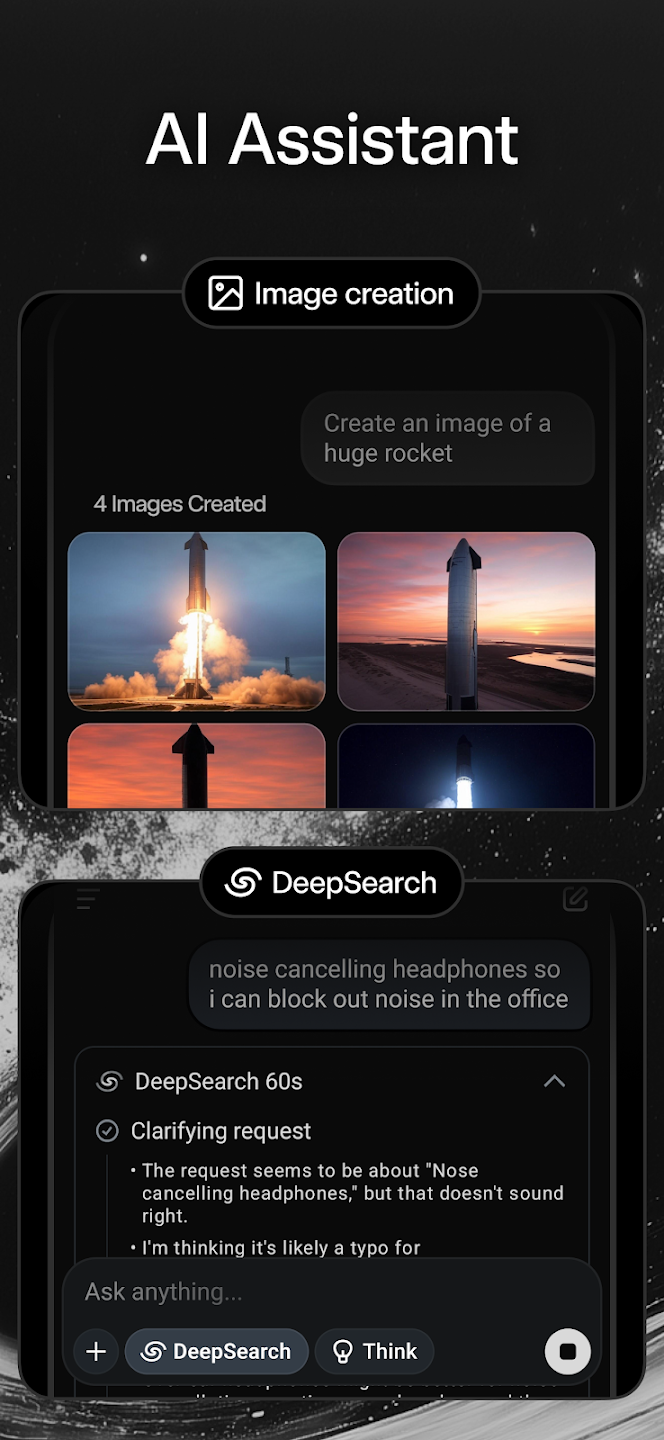
In the realms of marketing and advertising, AI image generators have streamlined the process for businesses to create customized visuals tailored to their specific campaigns. Rather than depending on costly photoshoots or stock images, companies can leverage AI tools to produce images that embody their brand’s distinct identity. This advancement is particularly advantageous for content creators, social media managers, and marketing teams who require fresh and captivating visuals regularly. By utilizing AI-generated content, these professionals can generate high-quality images much more quickly and at a significantly reduced cost.
AI image generators are also making significant strides in the entertainment sector. For example, video game developers can harness AI to create realistic environments, characters, and textures, which greatly reduces production time. This technology enables filmmakers to visualize scenes before investing in expensive set designs or CGI. Additionally, AI tools are being investigated for use in animation, where they can aid in producing background art or assist with character design. This innovation paves the way for new storytelling and world-building opportunities, allowing creators to bring their ideas to life more swiftly and with enhanced flexibility.
However, the rise of AI image generators has sparked numerous ethical and legal concerns. The capability to produce highly realistic images raises issues regarding misinformation and the potential for deepfakes—manipulated images or videos that seem genuine but are entirely fabricated. Furthermore, questions surrounding authorship and intellectual property arise. When an AI generates an image from a prompt, who holds the rights to that image? Is it the individual who provided the prompt, the company that developed the AI, or possibly the AI itself? These matters remain unresolved, and as AI image generators advance, it will be crucial to strike a balance between innovation and responsible usage.
DownloadNow
In the realm of education, AI image generators have demonstrated their value as well. They serve as effective teaching aids in art and design courses, enabling students to quickly visualize their concepts and explore various ideas. Likewise, educators can leverage AI-generated visuals to enrich their learning materials, creating more captivating content that aids students in grasping intricate topics.
In summary, AI image generators are revolutionizing our perception of creativity, allowing anyone to produce high-quality images without requiring professional skills. These tools are not only changing the landscape of the art world but also have extensive applications in fields such as marketing, entertainment, and education. Although challenges remain, particularly regarding ethics and intellectual property, the outlook for AI in creative sectors is bright. As technology advances, the potential for AI-generated imagery is just beginning to be uncovered.