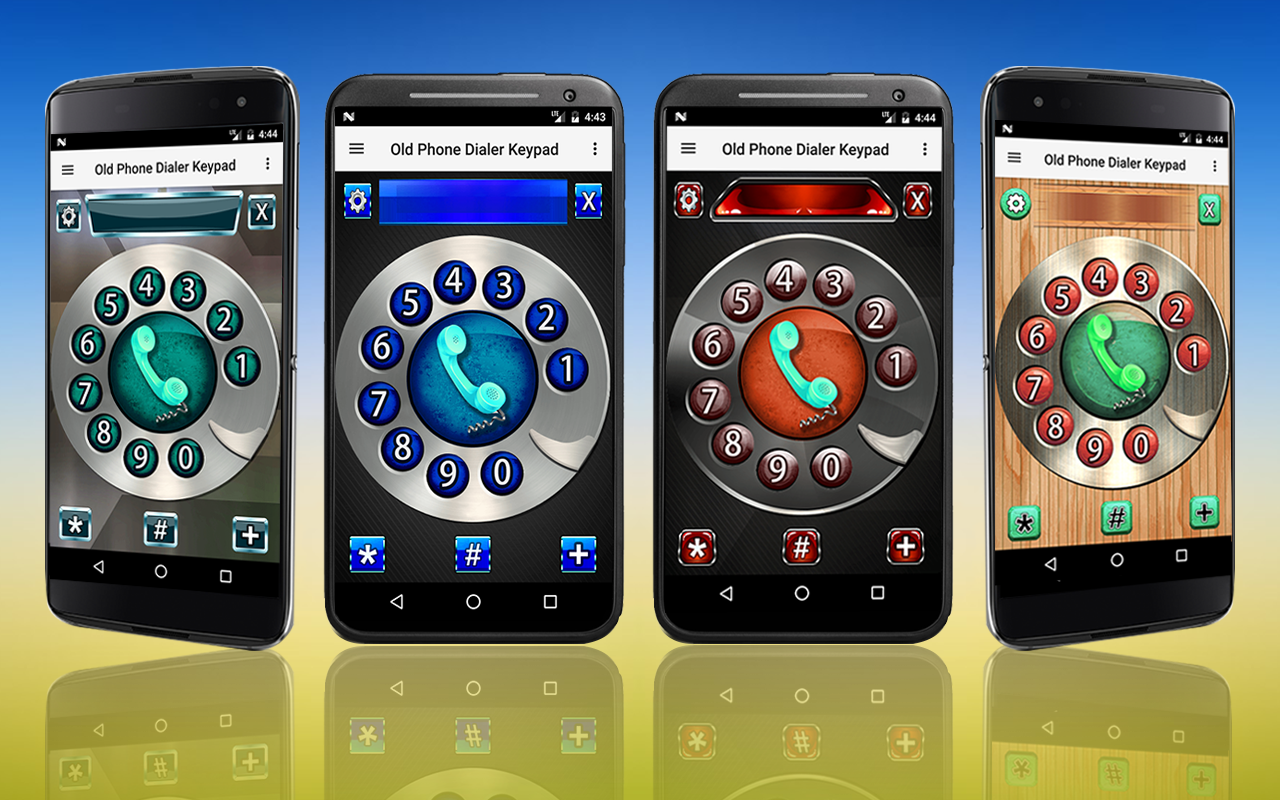
Traditional Phone Dialer Keypad
The traditional phone dialer keypad is a well-known and nostalgic interface that significantly contributed to communication for many years. Prior to the widespread use of touchscreens and voice commands, the physical dialer keypad served as the main method for making calls, sending messages, and interacting with both mobile and landline phones. Its straightforward layout and tactile feedback made it dependable and user-friendly for individuals of all ages.
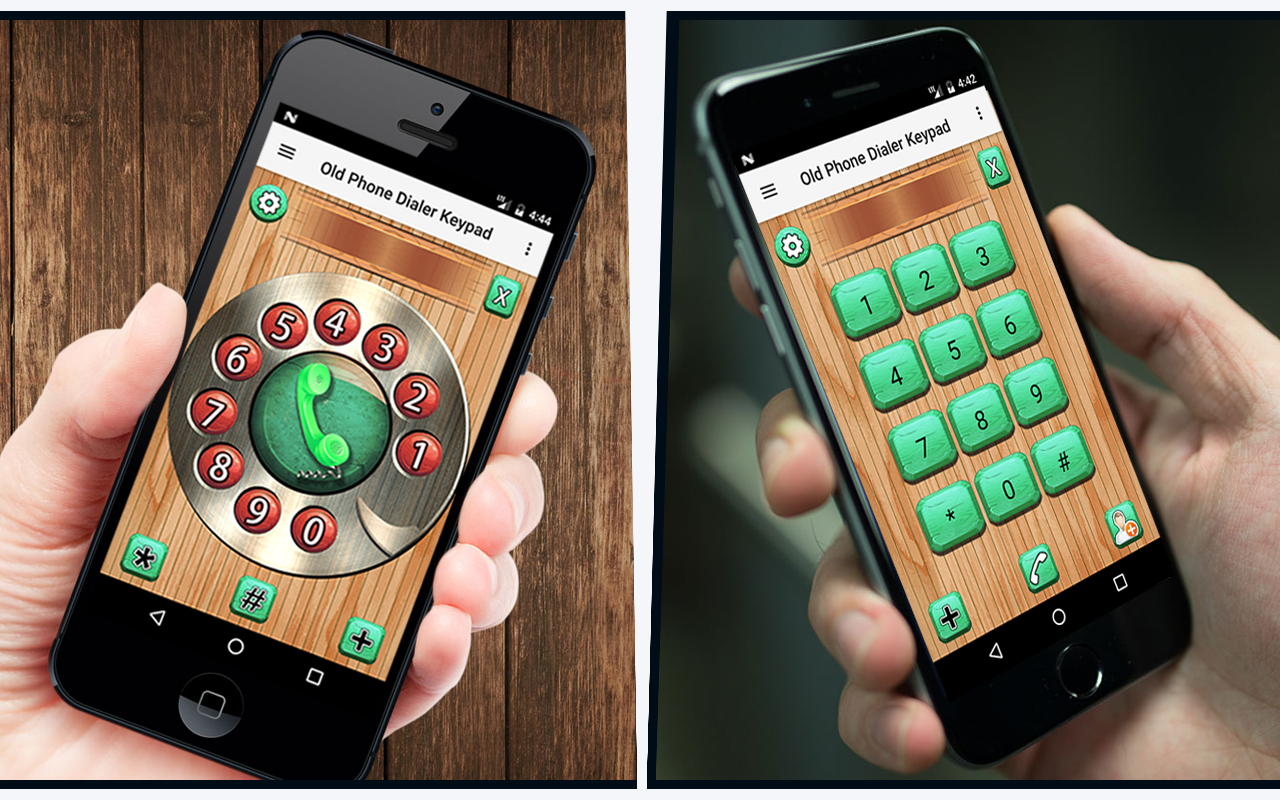
Typically, the dialer keypad features twelve buttons organized in a three-by-four grid. The numbers one through nine fill the top three rows, while the bottom row contains zero, the star symbol, and the hash symbol. Each number key is frequently linked to a set of letters, a characteristic that facilitated text input on early mobile phones. This design became a worldwide standard, rendering it instantly recognizable across different brands and countries.
One of the key benefits of the old phone dialer keypad was its physical feedback. Pressing actual buttons gave a sense of assurance that a number had been entered accurately. This was especially useful when dialing without looking at the phone or when using the device in dim lighting. For many users, the tactile response minimized dialing mistakes and boosted confidence during calls.
Moreover, the keypad offered various functions beyond mere dialing. The star and hash keys were often utilized for accessing network services, checking voicemail, navigating automated phone systems, and activating special features. On feature phones, long-pressing specific keys enabled quick access to voicemail, speed dial contacts, or particular settings. These shortcuts enhanced the speed and efficiency of everyday phone usage.
The durability of old phone dialer keypads was a significant advantage. These physical buttons were crafted to endure extensive use over extended periods. Even under harsh conditions, feature phones equipped with keypads often maintained reliable functionality. This reliability made them perfect for users seeking a trustworthy communication device without the concerns of delicate touchscreens or the need for frequent repairs. For elderly individuals and those with accessibility requirements, the traditional dialer keypad provided both simplicity and clarity. The large, well-spaced buttons featuring clear numbers facilitated dialing for those with impaired vision or limited technological experience. In contrast to modern smartphones, which can seem complicated, keypad phones delivered a straightforward calling experience devoid of unnecessary distractions.
Even in contemporary times, the classic phone dialer keypad continues to shape modern design. Certain smartphone applications mimic the traditional keypad layout to provide a familiar interface. Feature phones with physical keypads remain popular in specific areas due to their extended battery life, user-friendliness, and dependability. They are frequently utilized as backup devices or for basic communication purposes.
Download Now
In an era dominated by touchscreens and advanced technology, the old phone dialer keypad stands as a testament to practical and user-centric design. Its simplicity, durability, and efficiency made it a vital component of daily life for millions. Although technology has progressed, the fundamental principles behind the traditional keypad still resonate, reminding users of a time when communication was straightforward, reliable, and easy to handle.