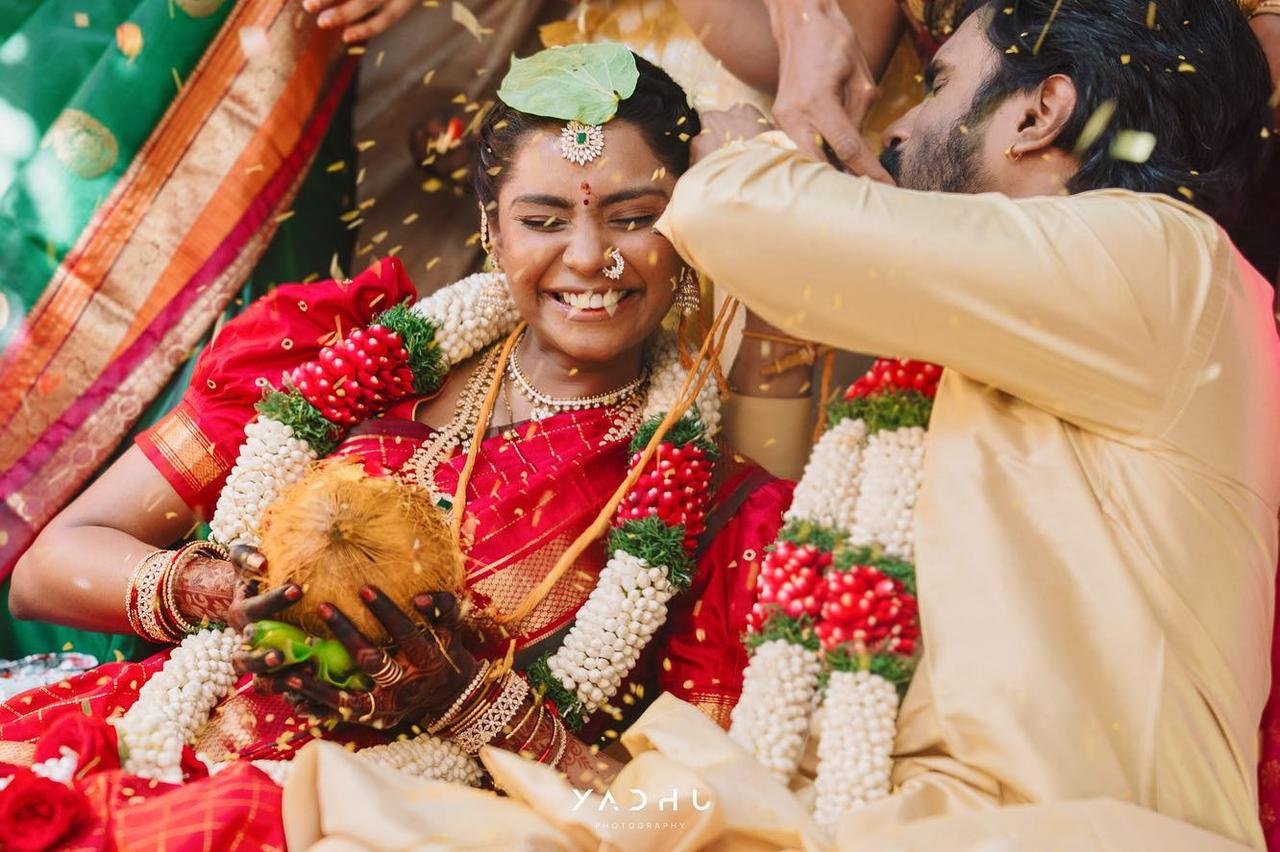
Marriage Matching Astrology
Marriage matching astrology holds considerable importance in various cultures, particularly in India, where it is regarded as a crucial step prior to marriage. This astrological practice is founded on the belief that the positions of planets at the time of birth affect an individual’s character, emotions, conduct, and fate. By analyzing the birth charts of two people, astrologers seek to assess compatibility, harmony, and the overall success of married life. The goal is not only to forecast happiness but also to pinpoint potential obstacles and suggest solutions to address them.
One of the most prevalent systems utilized in marriage matching is the Ashta Koota or Guna Milan method. This approach involves the examination of eight distinct factors, with a total of 36 points being evaluated. These factors encompass Varna, Vashya, Tara, Yoni, Graha Maitri, Gana, Bhakoot, and Nadi. Each factor signifies various dimensions of compatibility, including spiritual alignment, mutual attraction, health, mental synchronization, emotional connection, and family dynamics. Typically, a score of 18 or higher is deemed acceptable for marriage, while elevated scores suggest enhanced compatibility.
In addition to Guna matching, the existence of doshas is also meticulously scrutinized. One of the most frequently mentioned doshas in marriage astrology is Manglik Dosha, which arises from the positioning of Mars in specific houses of the birth chart. It is believed that Manglik Dosha may result in disputes, delays, or challenges in married life if not adequately matched or remedied. Nevertheless, contemporary astrologers stress that Manglik Dosha should not be considered in isolation, as its impacts can be mitigated or nullified by other beneficial planetary alignments.
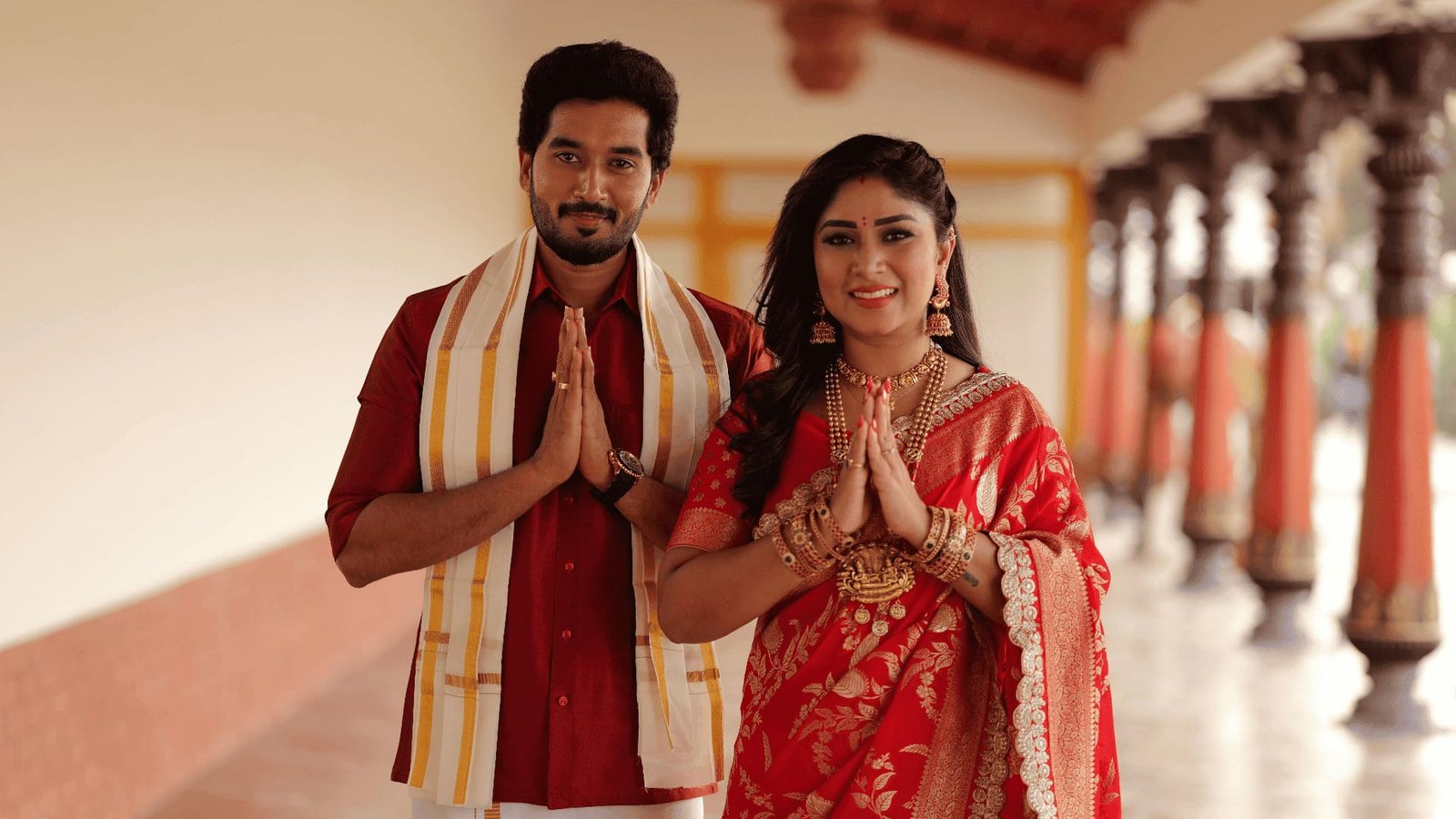
Marriage matching astrology also takes into account the Moon sign and Nakshatra of both partners. The Moon symbolizes the mind and emotions, so compatibility between Moon signs reflects emotional understanding and mental tranquility in marriage. Nakshatra matching aids in evaluating health, prospects for children, and long-term harmony. Some Nakshatra combinations are deemed particularly favorable, while others may necessitate thorough analysis and remedies.
Recently, astrology has progressed beyond strict guidelines. Many astrologers now adopt a holistic perspective by examining the entire birth chart instead of depending solely on Guna Milan scores. Aspects such as the strength of the seventh house (the house of marriage), the position of Venus (the planet of love and relationships), Jupiter (representing wisdom and family life), and the overall planetary periods or dashas are emphasized. This method offers a more realistic and tailored insight into marital compatibility.
The purpose of marriage matching astrology is not to instill fear or rejection but to provide guidance. When mismatches or doshas are identified, astrologers frequently recommend remedies like prayers, fasting, charity, gemstones, or specific rituals. These remedies are thought to harmonize planetary energies and mitigate negative influences. More importantly, astrology promotes awareness, patience, and mutual understanding between partners.
Website Link
In today’s world, where love marriages are becoming more prevalent, marriage matching astrology remains significant. Many couples utilize it as a means to gain a deeper understanding of one another rather than as a rigid deciding factor. Astrology can illuminate differences in temperament, communication styles, and expectations, assisting couples in preparing for married life with enhanced clarity. Ultimately, a thriving marriage relies on trust, respect, communication, and emotional support. Astrology can offer insights and guidance, yet it cannot substitute for personal effort and dedication. When applied thoughtfully, marriage matching astrology acts as a helpful resource that enables couples to embark on married life with confidence, comprehension, and an optimistic outlook.