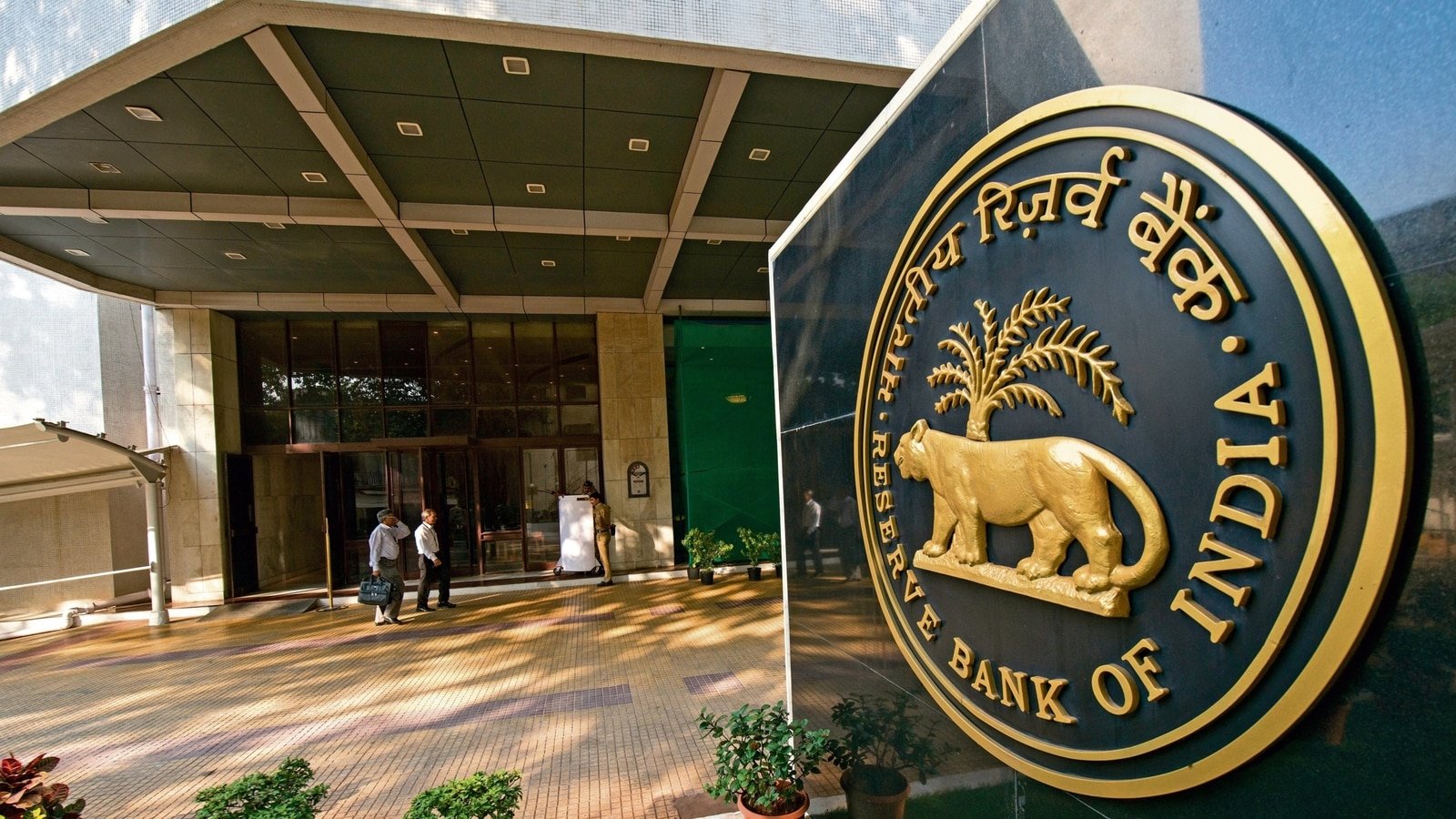
Reserve Bank of India
The Reserve Bank of India (RBI) serves as the central banking authority in India, tasked with overseeing the nation’s monetary policy, regulating financial institutions, and ensuring financial stability. A key function of the RBI is to safeguard consumer interests and resolve complaints related to banking services. To facilitate this, the RBI offers an online platform for consumers to file complaints against banks and other financial entities under its jurisdiction. This initiative aims to uphold transparency, efficiency, and accountability within the banking system, ensuring that consumers are treated fairly.
To initiate a complaint, customers should first contact the relevant bank or financial institution. In accordance with RBI regulations, each bank is required to have a specific grievance redressal system in place. Customers are advised to present their complaints through the bank’s customer service options, which may include physical branches, helplines, email, or dedicated complaint websites. If the bank does not address the issue or fails to respond within a designated timeframe (usually 30 days), customers have the option to escalate their complaint to the RBI.
The RBI’s online complaint mechanism is accessible via the Consumer Education and Protection (CEP) Portal, allowing consumers to submit their grievances electronically. This digital service simplifies the complaint process, eliminating the need for in-person visits or extensive paperwork. To file a complaint, customers must complete an online form, detailing their issue and attaching any necessary documents. They are also required to provide their contact information, describe the nature of the complaint, and outline the actions taken with the bank prior to reaching out to the RBI.
RBI complaints generally focus on matters such as incorrect charges, transaction delays, banking service failures, unauthorized deductions, and insufficient transparency regarding financial products. Additionally, these complaints may address customer service issues, concerns with credit facilities, loan disbursement problems, and the operation of ATMs or mobile banking services. The RBI’s objective is to uphold consumer rights and ensure that banks engage in fair practices.
Upon receiving a complaint, the RBI forwards it to the relevant bank for resolution. The bank is required to acknowledge the complaint and resolve the issue within a specified timeframe. Should the bank fail to adequately address the concern or if the response is deemed unsatisfactory, the consumer has the option to request a review from the RBI’s Ombudsman. The Banking Ombudsman scheme serves as an alternative dispute resolution mechanism, where an impartial official assesses and mediates the dispute. This framework is intended to provide a swift and cost-effective resolution to complaints without resorting to legal action.
The Ombudsman has the authority to issue directives to the bank to rectify the situation, which may include compensating the complainant for any losses incurred, refunding unjust charges, or reinstating services. If the Ombudsman determines that the complaint lacks merit, it will be dismissed, but the complainant will be informed of the rationale behind the decision. The RBI’s involvement in consumer protection extends beyond merely handling complaints. It also plays a crucial role in ensuring that banks and financial institutions adhere to ethical standards, thereby mitigating potential issues. The central bank regularly issues guidelines and regulations concerning customer service and fair treatment. For instance, the RBI has provided various directives aimed at enhancing the transparency of fees and charges, ensuring that banks adequately disclose information about their products and services to customers.
The Reserve Bank of India (RBI) offers a helpline for consumers who need advice or clarification regarding banking matters. Individuals can reach out to the RBI’s toll-free number or visit its website for information on financial services. Furthermore, the RBI consistently publishes educational materials aimed at enhancing consumer awareness about banking products, rights, and grievance resolution processes. This proactive strategy fosters a well-informed customer base capable of recognizing and addressing issues promptly. Submitting a complaint to the RBI online serves not only to resolve personal grievances but also to support the broader objective of enhancing the banking sector. Each complaint contributes valuable data that the RBI analyzes to detect trends and systemic challenges within the banking industry. This analysis allows the RBI to take corrective actions, refine banking regulations, and enhance consumer experiences.
WebLink
In summary, the RBI’s online complaint mechanism is vital for ensuring transparency and consumer protection in India’s banking framework. It provides a user-friendly and efficient method for consumers to file grievances, ensuring that these issues are handled fairly and promptly. Through this initiative, the RBI holds banks and financial institutions accountable, reinforcing their commitment to delivering high-quality services. As the banking environment continues to change, the RBI’s dedication to consumer protection and grievance resolution will be crucial in sustaining trust in the financial system.