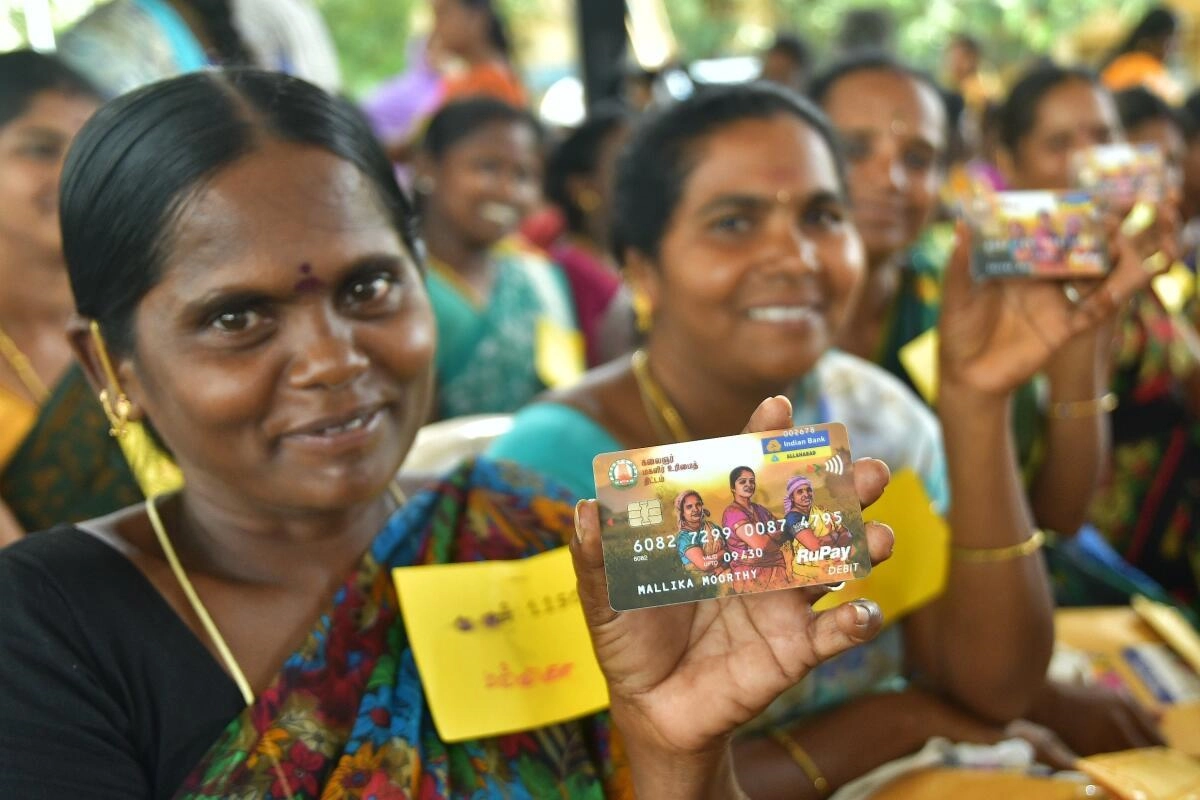
Women’s Entitlement Amount scheme
The Women’s Entitlement Amount scheme represents a significant social welfare program designed to offer direct financial assistance to women, particularly those from economically disadvantaged backgrounds. The main goal of this initiative is to financially empower women, lessen economic dependency, and enhance the overall quality of life for families. By guaranteeing a consistent transfer of funds to eligible women, the government aims to foster gender equality and social security at the community level.
This initiative primarily targets women who serve as the head of their households or play a vital role in managing family duties. In numerous families, women are responsible for household expenses, children’s education, healthcare requirements, and daily necessities. However, many women face financial challenges due to limited income opportunities and societal barriers. The entitlement amount serves to close this gap by providing a reliable source of income that can be utilized based on their needs.
A significant advantage of the Women’s Entitlement Amount is the promotion of financial independence. Even a small monthly payment can greatly impact the lives of women from low-income families. It enables them to cover basic expenses without complete reliance on others. This financial assistance also enhances their confidence and decision-making authority within the family, allowing women to engage more actively in household and financial affairs.
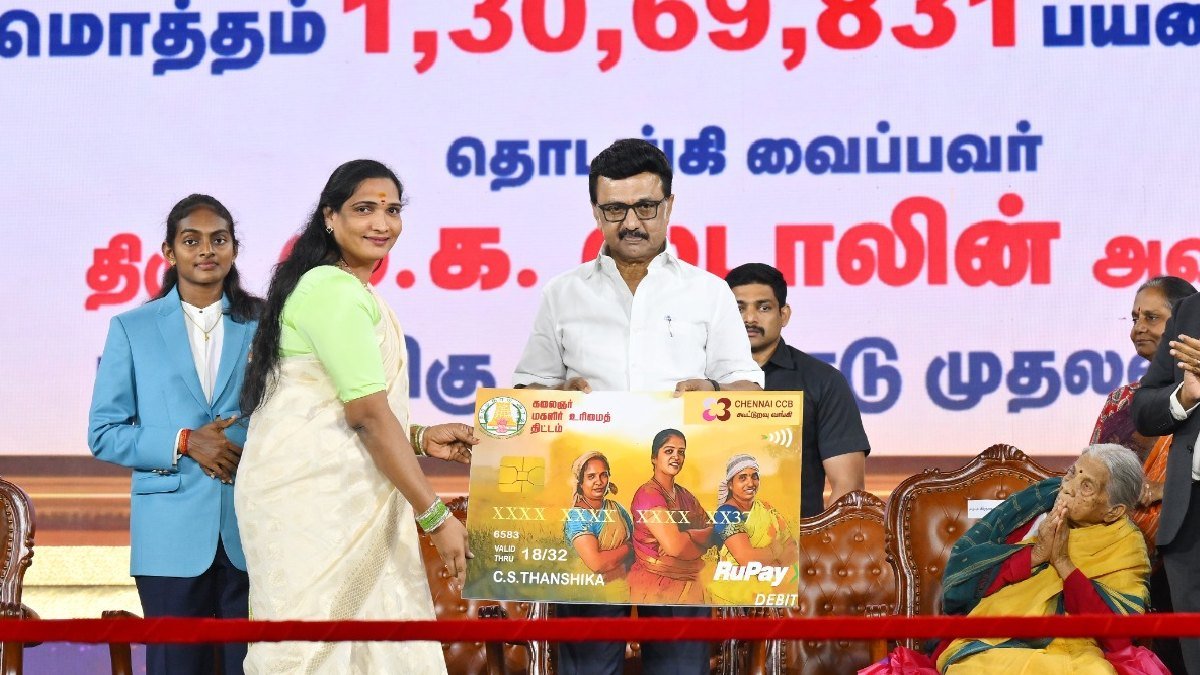
Additionally, this scheme plays a crucial role in poverty alleviation. When women receive direct financial support, it has a positive effect on the entire family. The funds are frequently allocated to essential needs such as food, school fees, uniforms, medical costs, and household utilities. Research and social observations indicate that women often prioritize family welfare when managing finances, making such initiatives highly effective in elevating living standards.
The entitlement amount scheme also promotes the social empowerment of women. Financial stability enables women to tackle challenges such as increasing living expenses, family unemployment, or unforeseen medical crises. It mitigates vulnerability and offers a safety net during tough times. For widows, single mothers, elderly women, and those from marginalized backgrounds, this scheme serves as an essential lifeline. Another significant feature is the accessibility and transparency of the program. Funds are typically deposited directly into the beneficiary’s bank account, which minimizes leakage and corruption. The Direct Benefit Transfer systems enhance the efficiency and reliability of the process. Women are not reliant on intermediaries, and the consistency of payments allows them to manage their expenses more effectively.
The scheme also fosters financial inclusion. Numerous women who previously lacked bank accounts are encouraged to open one to receive the entitlement amount. This integration into the formal banking system grants them access to savings accounts, insurance products, loans, and various financial services. Over time, this leads to improved financial literacy and sustained economic stability. From a wider viewpoint, the Women’s Entitlement Amount scheme is crucial for social development. Empowered women can contribute more significantly to society, the economy, and the education of future generations. When women achieve financial security, children are more likely to attend school consistently, receive adequate nutrition, and grow up in a healthier environment. This establishes a positive development cycle that benefits the entire community.
Website Link
In summary, the Women’s Entitlement Amount scheme represents more than mere financial aid. It signifies a move towards dignity, equality, and empowerment for women. By offering consistent monetary support, the scheme tackles economic inequalities, fortifies families, and encourages inclusive growth. Initiatives like this underscore the significance of investing in women as a cornerstone for sustainable social and economic progress.