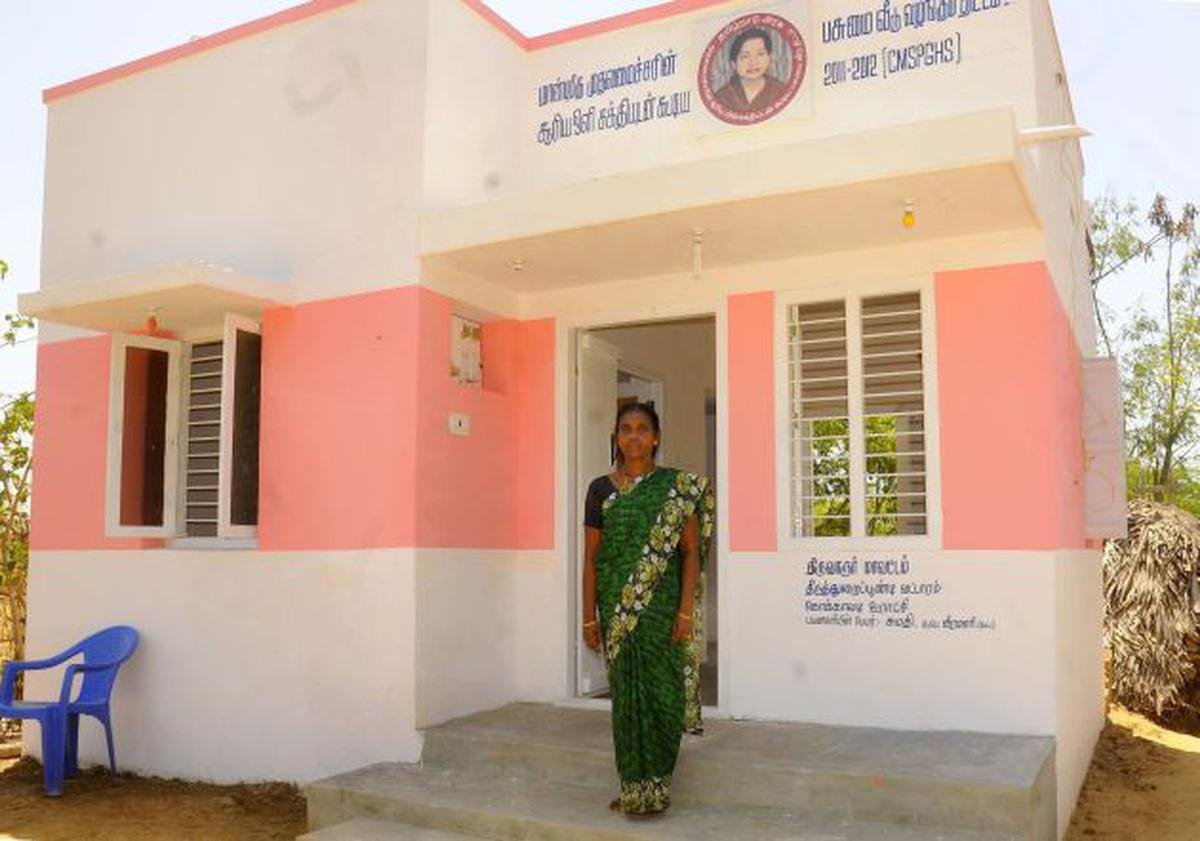
Tamil Nadu Government Free Housing Scheme
The Tamil Nadu Government Housing Scheme is a significant initiative designed to offer affordable housing solutions to economically disadvantaged groups within society. This program has played a crucial role in realizing the aspirations of countless low-income families by providing them with a safe and stable living environment. By addressing both urban and rural needs, the Tamil Nadu Housing Scheme has made a notable impact on enhancing the quality of life for many individuals.
The scheme aims to deliver affordable, high-quality housing to low-income and economically weaker sections (EWS) of the population. It promotes urbanization by developing well-planned housing complexes equipped with modern amenities in urban and semi-urban regions. Additionally, it ensures that rural families gain access to housing and essential services that elevate their living standards. Beyond housing provision, the initiative emphasizes the enhancement of infrastructure surrounding residential areas, including roads, drainage systems, water supply, and electricity. It also seeks to empower women, particularly single women, widows, and those leading households, by offering housing support through various subsidized programs.
The implementation of the Tamil Nadu Housing Scheme involves a range of programs specifically designed to address the unique needs of the target demographic. The Tamil Nadu Slum Clearance and Improvement Program focuses on enhancing living conditions for individuals residing in slums. The government is committed to clearing slum areas and providing more stable housing alternatives for affected families. This includes the redevelopment of slums with effective urban planning and the construction of multi-story residential buildings for slum residents, ensuring that each home is equipped with essential amenities such as water, sanitation, and electricity.
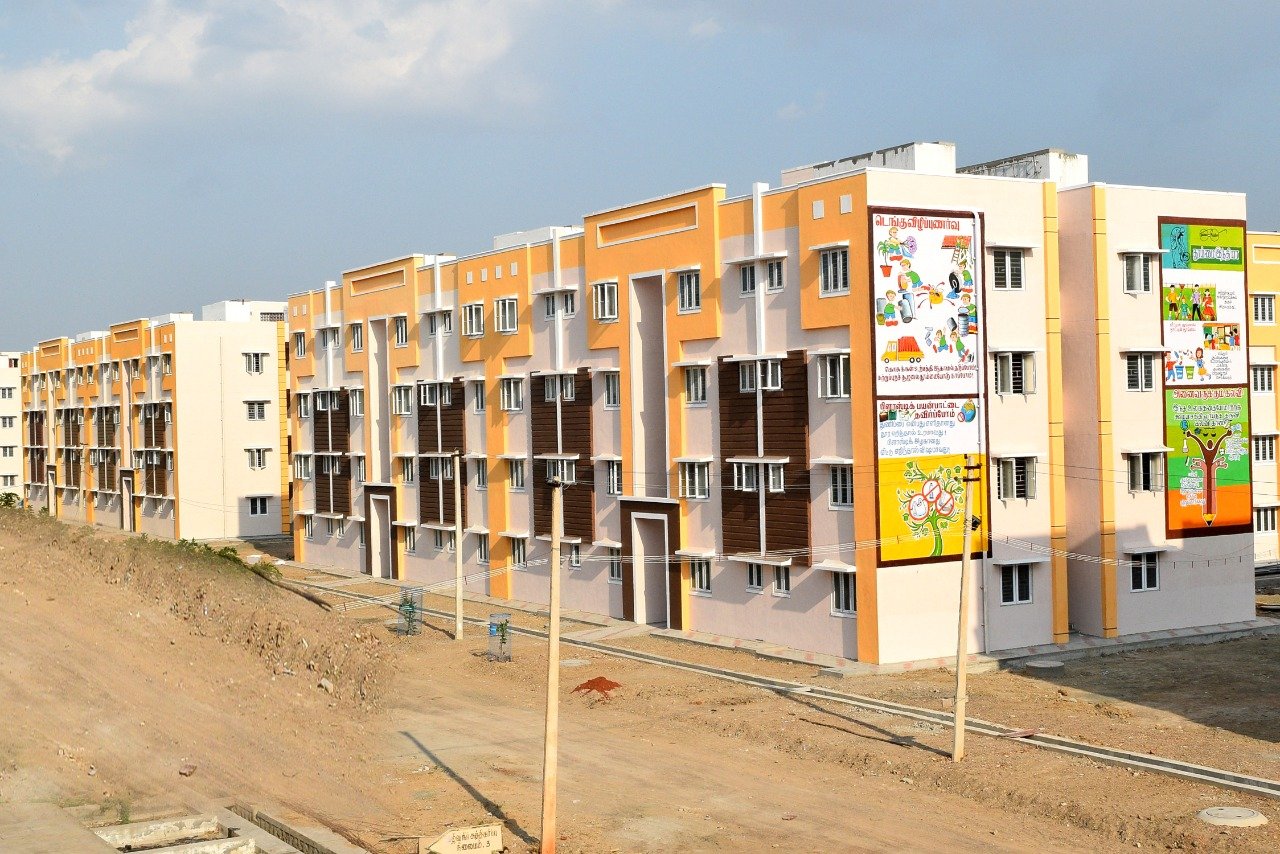
The Tamil Nadu Slum Clearance Board (TNSCB) plays a crucial role in offering affordable housing solutions to the urban poor. This initiative emphasizes the development of low-cost housing for individuals who cannot meet the market prices in urban settings. The program includes the construction of homes for the urban poor across various regions in Tamil Nadu, along with the provision of subsidized loans and financial support for beneficiaries. Essential infrastructure such as roads, drainage systems, and electricity is also included. While this is primarily a central government initiative, the Tamil Nadu Government actively implements the Pradhan Mantri Awas Yojana (PMAY) and the Indira Awas Yojana (IAY) to extend housing assistance to rural households.
Financial aid is available for families belonging to economically weaker sections (EWS), Scheduled Castes (SC), Scheduled Tribes (ST), and minority groups. The program facilitates the construction of individual homes equipped with adequate sanitation and water supply in rural areas, addressing the housing infrastructure deficit. Additionally, the Tamil Nadu Government has introduced a scheme specifically aimed at women who are heads of their households. This initiative focuses on providing housing for single women, widows, and those from economically disadvantaged backgrounds, offering subsidies on construction costs. It also provides financial support to empower women through property ownership, ensuring their safety and security by granting them property rights.
The Urban Housing Scheme is designed for residents of urban areas, particularly those in lower income brackets. This program seeks to deliver affordable housing in urban centers where living costs are elevated. It includes the construction of homes with modern amenities at reasonable prices, as well as the provision of land and the development of new townships to accommodate the increasing population. Furthermore, it integrates transportation, water, electricity, and sanitation facilities within urban housing projects.
The government collaborates with banks and financial institutions to provide low-interest loans to beneficiaries, facilitating home purchases. In certain instances, subsidies are offered to alleviate the financial strain on individuals, with availability contingent upon the applicant’s income and category. Specific groups, such as widows, persons with disabilities, and senior citizens, receive one-time financial support for building or acquiring a home. Eligibility for the Tamil Nadu Government Housing Scheme is assessed based on the applicant’s income, family situation, and place of residence. Preference is given to individuals from economically weaker sections (EWS) or lower-income groups (LIG). Applicants must generally be at least 18 years old and should not own any property in urban or rural settings. Additionally, the applicant must be a permanent resident of Tamil Nadu.
WebLink
The availability of adequate housing has greatly enhanced the living conditions of numerous families, leading to improved health, hygiene, and security. Providing homes for women-led households has been a crucial advancement in promoting financial and social empowerment. The scheme has played a significant role in the development of both urban and rural regions, resulting in the establishment of well-planned residential areas with essential amenities. The slum clearance initiative has decreased the population living in unsanitary and unsafe conditions, thereby enhancing public health.
The Housing Scheme implemented by the Tamil Nadu Government plays a vital role in the state’s welfare initiatives, aimed at providing affordable housing to disadvantaged populations, especially in both urban and rural settings. The government has undertaken numerous initiatives, including slum rehabilitation, urban development projects, and financial aid programs, to make substantial progress in offering shelter to those in greatest need. Although challenges remain, the scheme is continually evolving to better serve the residents of Tamil Nadu.