
Widows and Destitute Women Welfare Board
The Widows and Destitute Women Welfare Board serves as a vital organization focused on enhancing the lives of at-risk women, particularly those who are widowed or living in severe poverty. This board is instrumental in offering support, resources, and aid to women who are frequently marginalized due to their situations. It functions as a governmental entity committed to the welfare of these individuals, addressing their social, economic, and emotional requirements.
In numerous cultures, widows encounter a range of difficulties, including emotional distress, social stigma, financial instability, and discrimination. The loss of a husband often results in the withdrawal of economic support, leaving many widows without any means of income. In various regions, these women are compelled to care for themselves and their children in environments that may regard them with skepticism or contempt. Their vulnerability is heightened by the absence of a structured support system and limited access to education, healthcare, and job opportunities.
Similarly, destitute women, who often face marginalization due to poverty, experience comparable hardships. They may endure dire living conditions, lacking essential items such as food, shelter, and clothing. Many are also vulnerable to physical and emotional abuse. The challenges faced by destitute women are intensified by their inability to access social services or find stable employment due to insufficient education, skills, or resources. The establishment of the Widows and Destitute Women Welfare Board aims to tackle these issues, providing a safety net for those in greatest need.
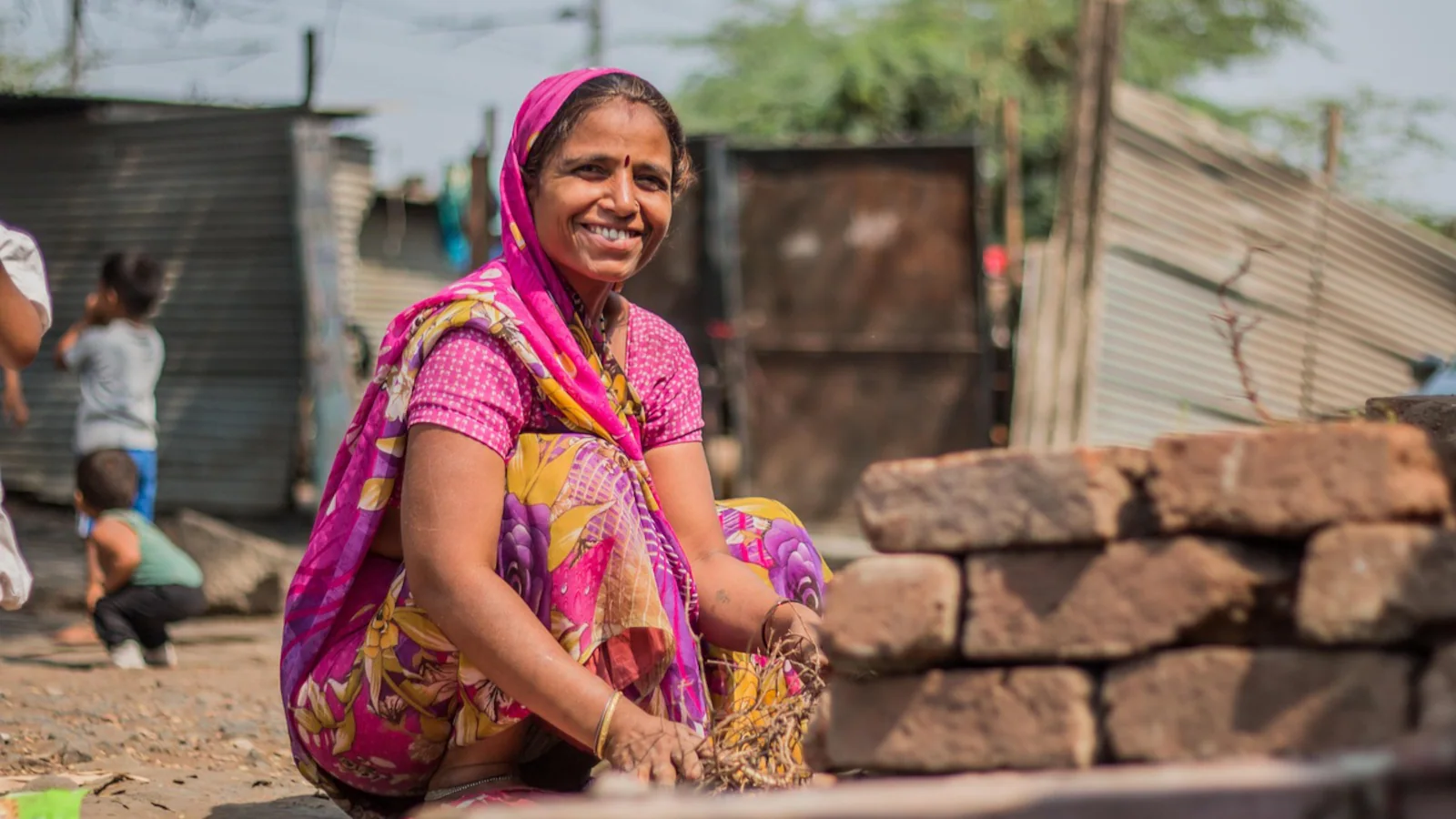
A key role of the Welfare Board is to deliver financial support to widows and destitute women. This assistance typically manifests as monthly stipends, pensions, or grants, which can help these women cover their fundamental living costs. For widows, this financial aid can ease the burden of living without a partner, while for destitute women, it can facilitate an escape from the cycle of poverty.
The Welfare Board not only provides financial assistance but also offers a variety of services aimed at empowering women. These services encompass vocational training, skill enhancement, and educational programs that enhance their prospects for stable employment. Many women benefiting from the board develop new competencies that allow them to pursue careers in areas such as tailoring, handicrafts, or small business initiatives. This ability to earn their own income helps them reclaim a sense of independence and self-worth, enabling them to overcome the stigma associated with dependency.
Additionally, the Welfare Board facilitates access to healthcare services, which include medical care, mental health support, and health education. For widows and women in dire circumstances, access to healthcare can significantly change their lives. Many of these women face health challenges due to inadequate living conditions or limited access to medical services, and the board is committed to ensuring they receive appropriate care. Mental health services are especially crucial, as these women often confront the emotional aftermath of losing a partner or enduring poverty. Counseling and therapy can assist them in restoring their emotional health and fostering hope for the future.
The board also collaborates with local community organizations and NGOs to raise awareness about the rights and needs of widows and women in need. By partnering with these entities, the board guarantees that these women receive essential support and are included in the broader efforts to advance gender equality and social justice.
WebLink
In summary, the Widows and Destitute Women Welfare Board is instrumental in aiding some of society’s most vulnerable populations. Through its financial support, educational initiatives, healthcare access, and empowerment programs, the board helps women restore their dignity and independence. It stands as a symbol of hope for widows and women in need, equipping them with the resources and opportunities necessary to rebuild their lives and make meaningful contributions to society.