
Unique Identification Authority of India
The Unique Identification Authority of India (UIDAI) is a statutory organization established by the Indian government in 2009 to assign a unique identification number, referred to as Aadhaar, to the residents of India. Operating under the Ministry of Electronics and Information Technology (MeitY), UIDAI is tasked with managing the Aadhaar database, safeguarding the security and privacy of the personal information it gathers, and promoting the development of various digital infrastructures and services across the nation. Aadhaar functions as a comprehensive form of identity verification, applicable for a range of services, including welfare programs, banking, and telecommunications.
UIDAI’s primary goal is to provide a dependable and effective means of identifying Indian residents, ensuring that government benefits are delivered to the correct individuals while minimizing the risk of fraud and duplication in welfare initiatives. The Aadhaar system streamlines processes, enhances service delivery, and boosts transparency by offering a biometric-based identification method that is unique and challenging to replicate. It combines demographic information, such as name, address, and date of birth, with biometric data like fingerprints and iris scans to generate a unique 12-digit identification number.
To obtain an Aadhaar number, individuals must enroll at authorized centers where they provide their demographic and biometric information. After enrollment, they receive a physical Aadhaar card, or they can access their number digitally through various online platforms. This number is linked to numerous services and financial transactions, including opening bank accounts, filing taxes, applying for government programs, and receiving subsidies. It has transformed the accessibility of services in India, particularly in rural regions where obtaining basic services and identification was previously difficult.
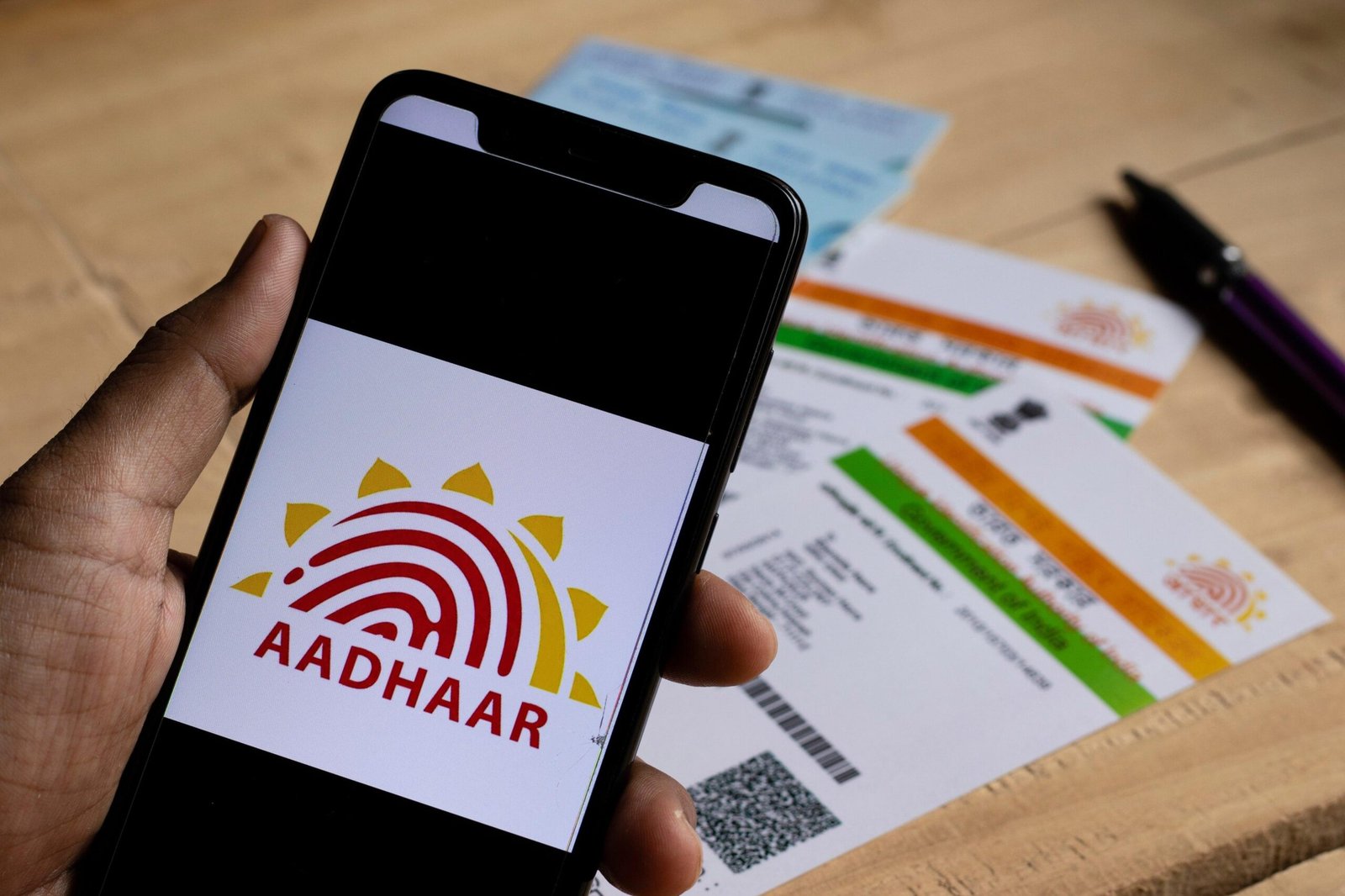
Aadhaar has significantly contributed to the financial inclusion of marginalized groups in India. It has allowed millions to gain access to formal banking services through Aadhaar-linked accounts, ensuring that subsidies for necessities such as food and fuel are delivered directly to the intended recipients, thus minimizing leakage and corruption. Furthermore, it streamlines the Know Your Customer (KYC) process, facilitating easier account openings, mobile service access, and identity verification for various online services.
Nonetheless, the rollout of Aadhaar has sparked considerable debate. Critics have expressed concerns about privacy and data security, arguing that the collection of biometric information could lead to potential misuse or surveillance. In light of these issues, the government has implemented measures to enhance security, including data encryption and secure storage protocols. Moreover, the Supreme Court of India has established guidelines to ensure that Aadhaar is not compulsory for services unrelated to welfare or government subsidies, thereby safeguarding individual privacy.
Beyond its identity management functions, the Unique Identification Authority of India (UIDAI) has also played a pivotal role in advancing India’s digital infrastructure. The authority has encouraged the adoption of Aadhaar for digital transactions, such as e-KYC services, e-signatures, and authentication systems, which improve both the accessibility and security of services. This initiative is particularly crucial as India transitions towards a more digital economy, fostering increased engagement in the digital landscape and enhancing access to vital services.
WebLink
UIDAI is consistently advancing its services and technologies to adapt to the swiftly changing digital environment. Innovations such as the mAadhaar app, which enables users to retrieve their Aadhaar information via mobile devices, along with initiatives to broaden Aadhaar integration across various sectors, position UIDAI as a key player in the modernization of public services and infrastructure in India.