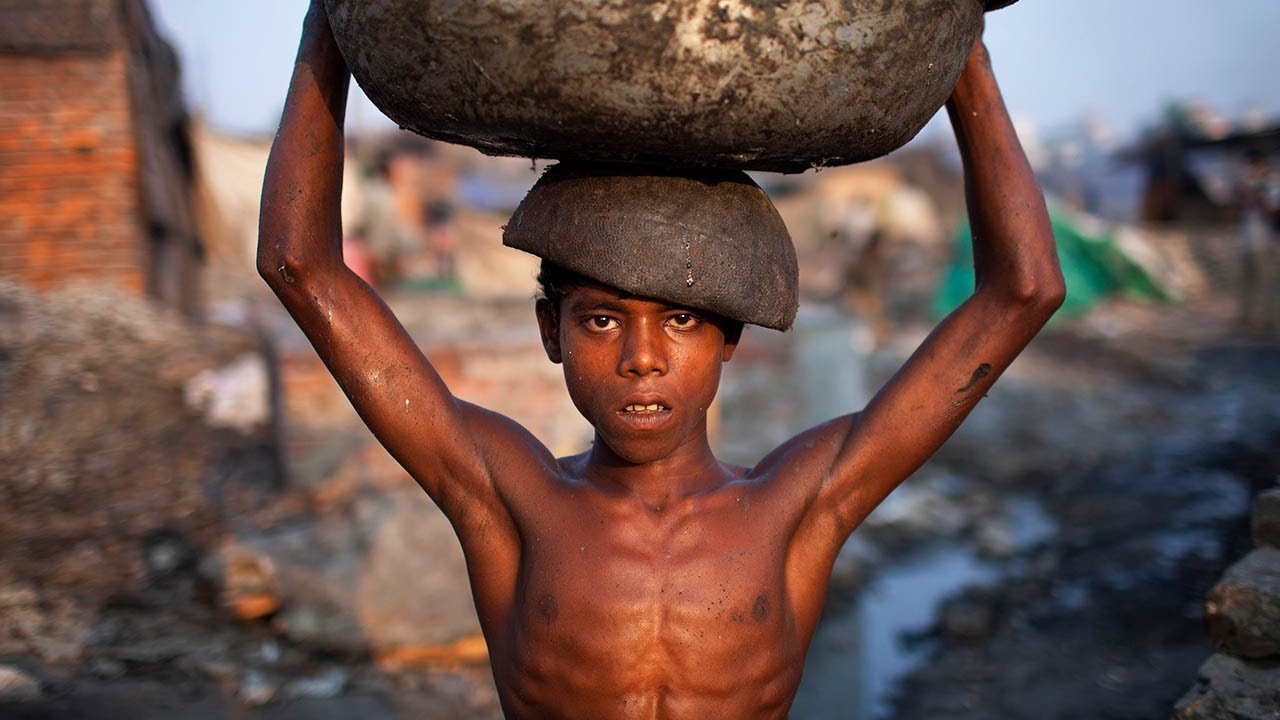
Child Labor Complaint
Child labor remains one of the most pressing human rights challenges affecting societies globally. It involves the exploitation of children in work that robs them of their childhood, education, and overall well-being. This issue impacts millions of children, especially in developing nations, and poses significant risks to their physical, emotional, and mental health. The International Labour Organization (ILO) characterizes child labor as any work that is detrimental to children or disrupts their education. It constitutes a breach of children’s fundamental rights and can result in lasting repercussions.
The factors contributing to child labor are intricate and varied. Poverty stands out as a primary driver, as many families in low-income areas depend on their children to help support the household financially. In certain cultures, there exists a longstanding belief that children should work to assist their families, often at the cost of their education and future prospects. Furthermore, the lack of access to quality education and social services compels children to enter the workforce instead of attending school. In some regions, inadequate labor laws and ineffective enforcement allow child labor to continue unabated.
The sectors that exploit child labor are diverse. In agriculture, children frequently endure long hours in unsafe conditions, handling hazardous tools and chemicals. In mining, they may face exposure to toxic materials and perilous environments. Child laborers are also prevalent in factories, producing textiles, garments, and electronics, often under poor working conditions and for meager wages. Domestic work is another sector where children are at risk of exploitation, particularly in households where they are treated as servants and may suffer abuse.
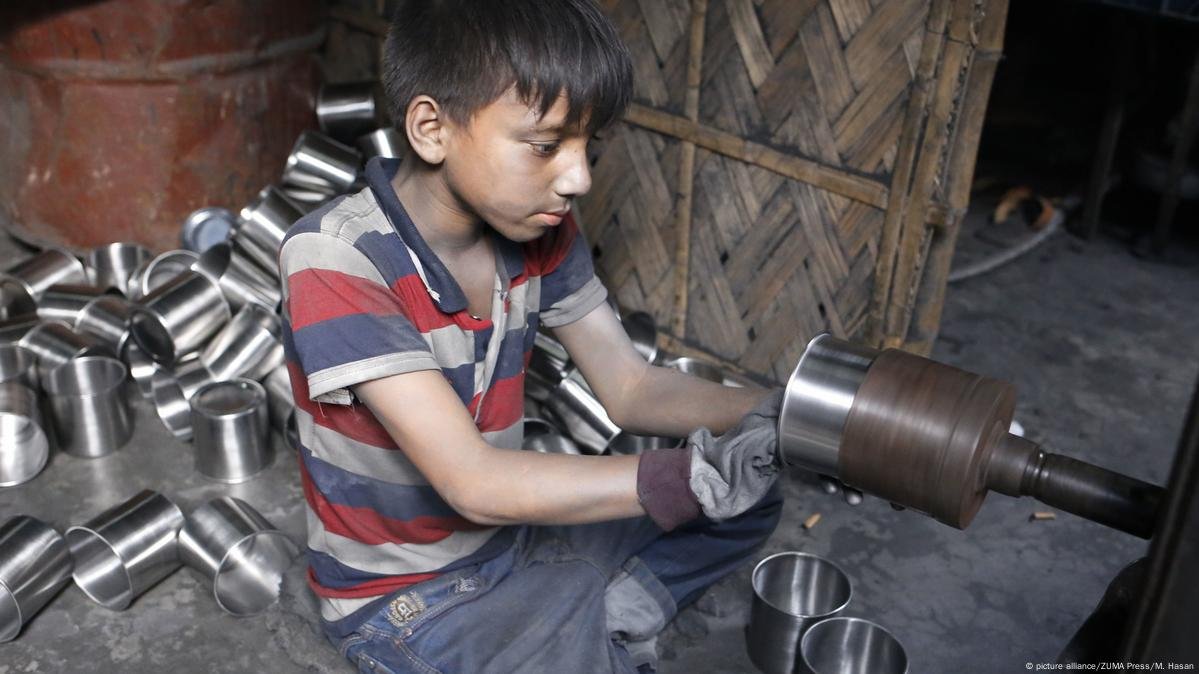
The impact of child labor is both severe and extensive. Children engaged in work are stripped of their childhood and the chance for proper development. They forfeit educational opportunities, which hinders their ability to break free from the cycle of poverty. Their physical well-being is frequently at risk, as they endure prolonged hours of strenuous labor in hazardous conditions. This can result in stunted growth, chronic health issues, and physical impairments. Furthermore, the psychological effects are profound, with many child laborers experiencing trauma, depression, and anxiety stemming from their difficult working environments.
The international community has initiated various measures to address child labor, including numerous conventions and treaties aimed at its elimination. The United Nations Convention on the Rights of the Child (CRC) highlights the necessity of safeguarding children from exploitation and ensuring their access to education. The ILO’s Minimum Age Convention establishes the minimum working age and specifies acceptable working conditions. Moreover, the Sustainable Development Goals (SDGs) strive to eradicate child labor in all its forms by 2025, emphasizing the critical nature of this issue.
Nevertheless, the battle against child labor continues to be formidable. A significant number of children work in informal sectors, rendering them invisible to authorities and complicating efforts to combat their exploitation. Additionally, some governments struggle to implement and enforce labor regulations due to insufficient resources or corruption. In areas impacted by armed conflict or natural disasters, children are especially susceptible to exploitation, often being recruited by armed groups or coerced into hazardous labor within refugee camps.
To effectively combat child labour, it is essential to implement both preventive and intervention measures. A primary focus should be on ensuring that all children have access to free, high-quality education. Education serves as a powerful tool to break the cycle of poverty, equipping children with the necessary skills for improved employment opportunities in the future. It is imperative for governments and organizations to enhance legal frameworks that prohibit child labour across all sectors and to ensure that those who violate these laws face appropriate consequences. Furthermore, providing financial assistance to impoverished families can alleviate the necessity for children to engage in work.
Non-governmental organizations (NGOs) and civil society are instrumental in raising awareness about child labour and advocating for necessary reforms. These entities strive to offer educational resources, vocational training, and social services to at-risk children and their families. They also advocate for more robust policies and hold companies accountable for their supply chains, ensuring that child labour is excluded from production processes.
Collaboration among governments, international organizations, businesses, and local communities is one of the most effective strategies to address child labour. Companies that incorporate child labour into their supply chains can be influenced to adopt ethical practices through pressure from consumers and investors. The rise of ethical consumerism, where individuals opt to purchase products produced under fair labor conditions, is becoming a significant force for social change. This shift necessitates that businesses prioritize social responsibility and transparency in their operations.
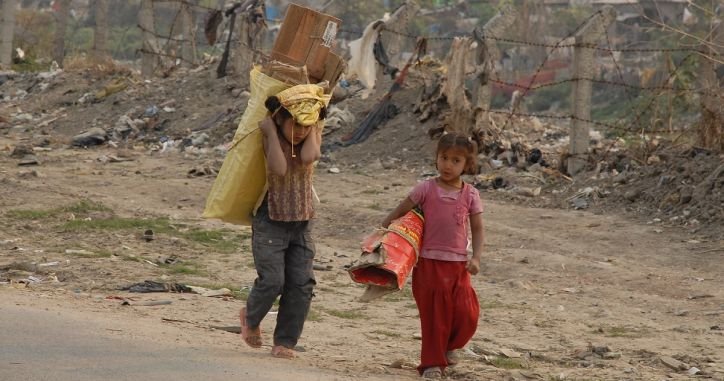
The media plays a crucial role in bringing attention to the issue of child labour. Through documentaries, news articles, and social media initiatives, it can shed light on the severe conditions that children endure and galvanize public sentiment to advocate for change. When consumers recognize their influence on the perpetuation of child labour through their buying choices, they can contribute to a shift towards more ethical market practices.
Although the challenge of child labour may appear daunting, there is reason for optimism. In certain regions, there has been a decline in child labour rates over the last few decades. Nevertheless, significant efforts are still required. It is imperative for governments, corporations, and individuals to collaborate in safeguarding children and ensuring they grow up in nurturing environments that promote their health and development. Ending child labour is not only a moral obligation but also a vital step towards fostering a fairer and more equitable society.
WebLink
In summary, child labour remains a pervasive global challenge that necessitates unified action and dedication from all segments of society. The exploitation of children for labor strips them of their fundamental rights and jeopardizes their future opportunities. While advancements have been made in tackling this issue, considerable obstacles persist. Only through sustained initiatives to alleviate poverty, enhance educational access, and reinforce legal safeguards can we aspire to eradicate child labour and secure a brighter future for the world’s most vulnerable children.