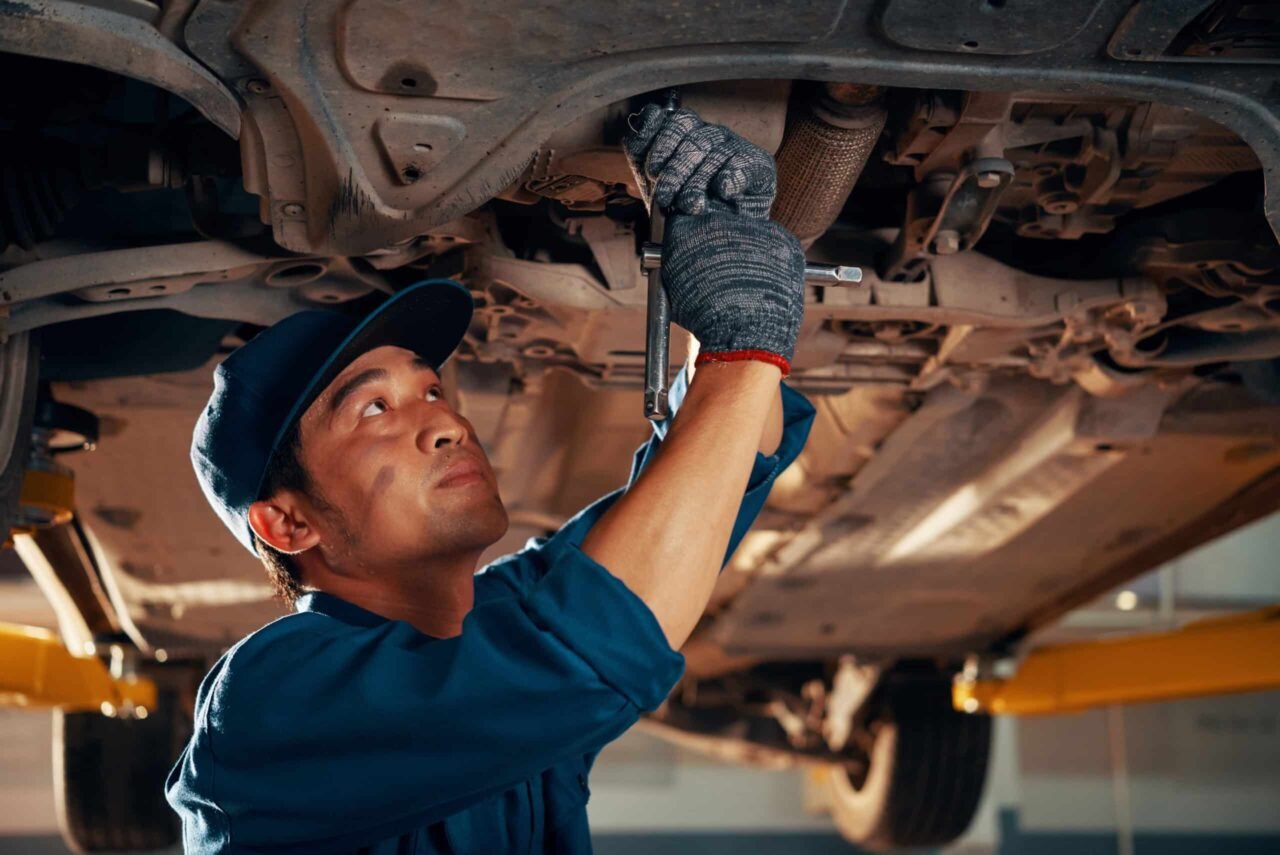
Guide To Car Care
This 80-page guide is free and available in both English and Spanish. This guide includes information on major services and 12 vehicle component groups, as well as service intervals. Other topics covered include finding an auto repair shop, alternative gasolines, the warranty, vehicles telematics and careers in the automotive care industry. Order your copy or view online today!
Your Thanksgiving Road Trip Doesn’t Have to be A Turkey
To avoid having a road trip that ends in a disaster, make sure your vehicle is well-maintained. The Car Care Council recommends a 10-minute check-up before a road trip to avoid the hassle of a breakdown far from home.
To ensure road safety, the Car Care Council recommends the following check before a trip:
- Make sure to check all fluids including the engine oil and power steering, brake, transmission and windshield washer solvent.
- Inspect the belts and hoses for signs of wear, cracks, or brittleness. They are essential for the correct functioning of your electrical system, cooling system, power steering, and air conditioning.
- Inspect the tire for tread and pressure. Wheel alignment is needed if the wear on your tires are uneven. Check the tires for bald patches and bulges.
- Check Lighting To identify any lighting problems. The risk of accident is increased if the exterior or interior lights are not working properly.
- Replace wiper blades every 6 months. Make sure the windshield wipers are working properly. Check that the wipers on your windshield are functioning properly. Fill the solvent reservoir with the appropriate amount.
Nathan Perrine is the executive director of Car Care Council. He said that a pre-trip check on your vehicle gives you peace of mind. The ability to get repairs done by a trusted mechanic before a trip reduces the risk of expensive car problems on the road.
The Car Care Council recommends that drivers avoid driving aggressively, obey the speed limits and refrain from excessive idling to save fuel. To prevent spills or gas evaporation, replace any damaged or loose caps. It is also recommended that owners of cars restock the roadside emergency kits.
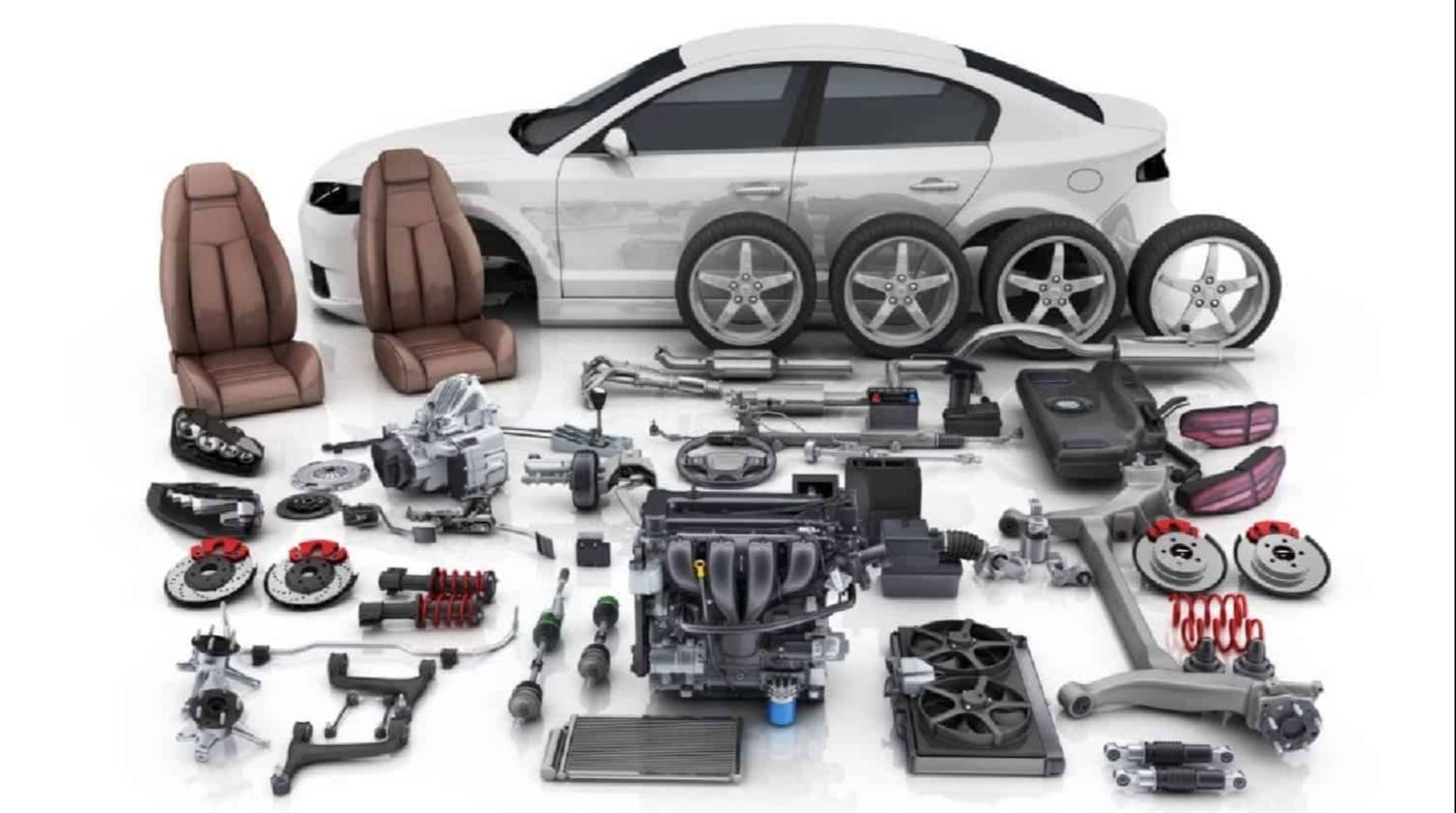
When the days get shorter, check your vehicle lights and wipers
The winter is fast approaching, and with it fewer daylight hours. The non-profit Car Care Council advises that you should check the lights and wipers of your car to ensure your visibility and ability to be seen.
Nathan Perrine is the executive director of Car Care Council. He said: “With shorter days, it’s a great time to make sure your wipers are functioning properly and that you are visible. The chances of getting into an accident increase if there’s no way for you to see. From the driver’s position, you might not be able to see a broken light. Check all your vehicle’s lights. Replace any that need replacing. Be sure to check and replace your wipers as well so that you have a clear view when the rainy weather arrives.
Wiper blades prevent excessive dirt, water and snow from accumulating on the windscreen, allowing for clearer visibility. The frequency of usage, the type and material of wipers as well as sunny weather can all accelerate wiper replacement. Wiper blades can degrade faster in desert areas and require more frequent replacement.
The lights are a normal wear item that requires periodic replacement. Lighting is essential for nighttime safety, alerting other motorists and providing light to view instruments in the car’s interior. You can keep yourself safe by replacing any dimming or rapidly blinking lights.
- Turn on your headlights if you are unsure. The lights not only improve your visibility in the early evening, but also help other motorists see you.
- Clean your headlights and taillights. Dirt and debris from the outside can reduce visibility of operational lights.
- Make sure your headlights have the correct aim. Headlights that are not aimed correctly can blind drivers behind you and make it difficult to see.
- Avoid overdriving your headlights. You should still be able stop within the area that is illuminated. Otherwise, you will create a crash zone in front of you.
Wildfires are a serious concern for vehicles and passengers
The non-profit Car Care Council is reminding car owners that as wildfires sweep the West, they should have their engine and cabin air filters regularly inspected to make sure that the filters are protecting them from debris and smoke.
Nathan Perrine is the executive director of Car Care Council. He said that cabin air filters were the first defense against pollutants which reduce air quality in vehicles for both vehicle owners and passengers. The Car Care Council suggests that drivers in wildfire-affected areas and in states surrounding them replace their cabin air filter. The simple yet vital service ensures vehicle longevity and clean air in the car.
It is the cabin air filter that cleans the air in the passenger compartment. Normal conditions, the filter traps pollen, dust, exhaust gas, and bacteria that could enter a vehicle’s HVAC system and compromise interior air quality. It also stops leaves, insects and other debris entering the HVAC, which can also lead to problems.
The HVAC housing is usually located under the hood, or inside the interior. The cabin air filter shouldn’t be removed and cleaned. It should instead be changed every 12 to 15 thousand miles, or according to the owner’s guide. It should be replaced more often in areas where there are heavy airborne pollutants, like soot and smoke from wildfires.
Perrine continued, “It is important to not overlook the engine’s air filter.” Engine air filters can trap soot and other dirt particles that could cause expensive engine damage. The air filters are also important in preventing smoke from getting into the fuel-injected car’s airflow sensor. Air filters are to be checked at every oil change, and should be replaced annually or if they show signs of contamination.
Driver Checklist for Fall Car Care
It is the last thing that any driver wants to have a car break down during harsh, cold winter weather. Car Care Council suggests that owners of cars follow the Fall Car Care Month Checklist and thoroughly inspect their vehicle before temperatures fall and harsh weather strikes.
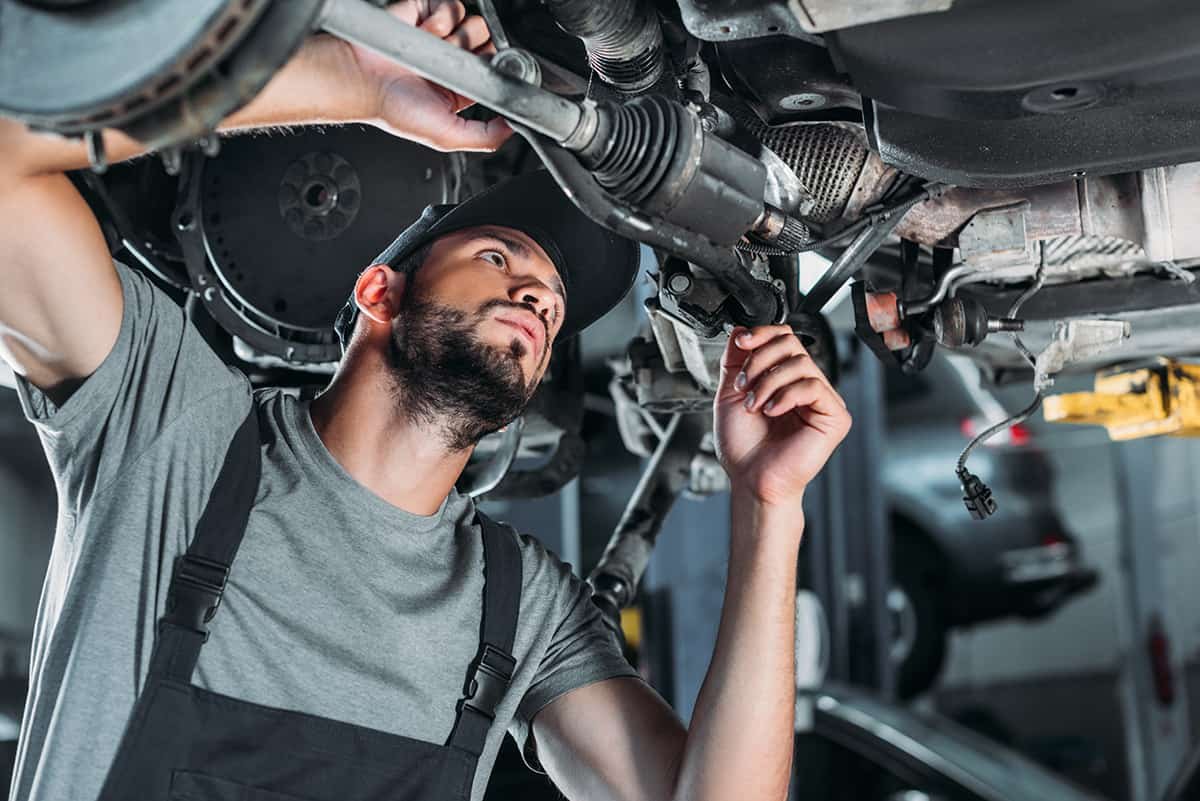
Wipers, Heaters & Lights
- Check that the heater, wipers and defrosters are working properly.
- Use cold weather washer fluid and winter wipers. Wiper blades are generally replaced every six to eight months.
- Make sure that the headlights and exterior lights are working properly.
Brakes & Tires
- Tire tread depth, tire pressure and spare tire should all be checked. Consider special tires that are designed to provide better grip on slippery roads if snow or ice is a concern in your region.
- Tire pressures should be monitored weekly during winter.
- Check your brakes. Safety is paramount when it comes to the brake system.
Gas, oil & Filters
- To prevent the formation of moisture in your gas line and possible freezing, keep it at least halfway full during cold weather.
- Change the filter and oil at regular intervals. In winter, dirty oil is a problem. If you live in an area with a harsh climate, consider switching to winter weight oil.
- Check all filters simultaneously: fuel, transmission and air.
System Checks – Charging, Cooling & Exhaust
- Check the charging system and battery, since cold weather can be hard on batteries.
- Remove old antifreeze, clean the system and flush it. This should be performed every two years as a general rule.
- Check for leaks of carbon monoxide in the exhaust system. This is especially important during winter driving, when you have your windows closed.
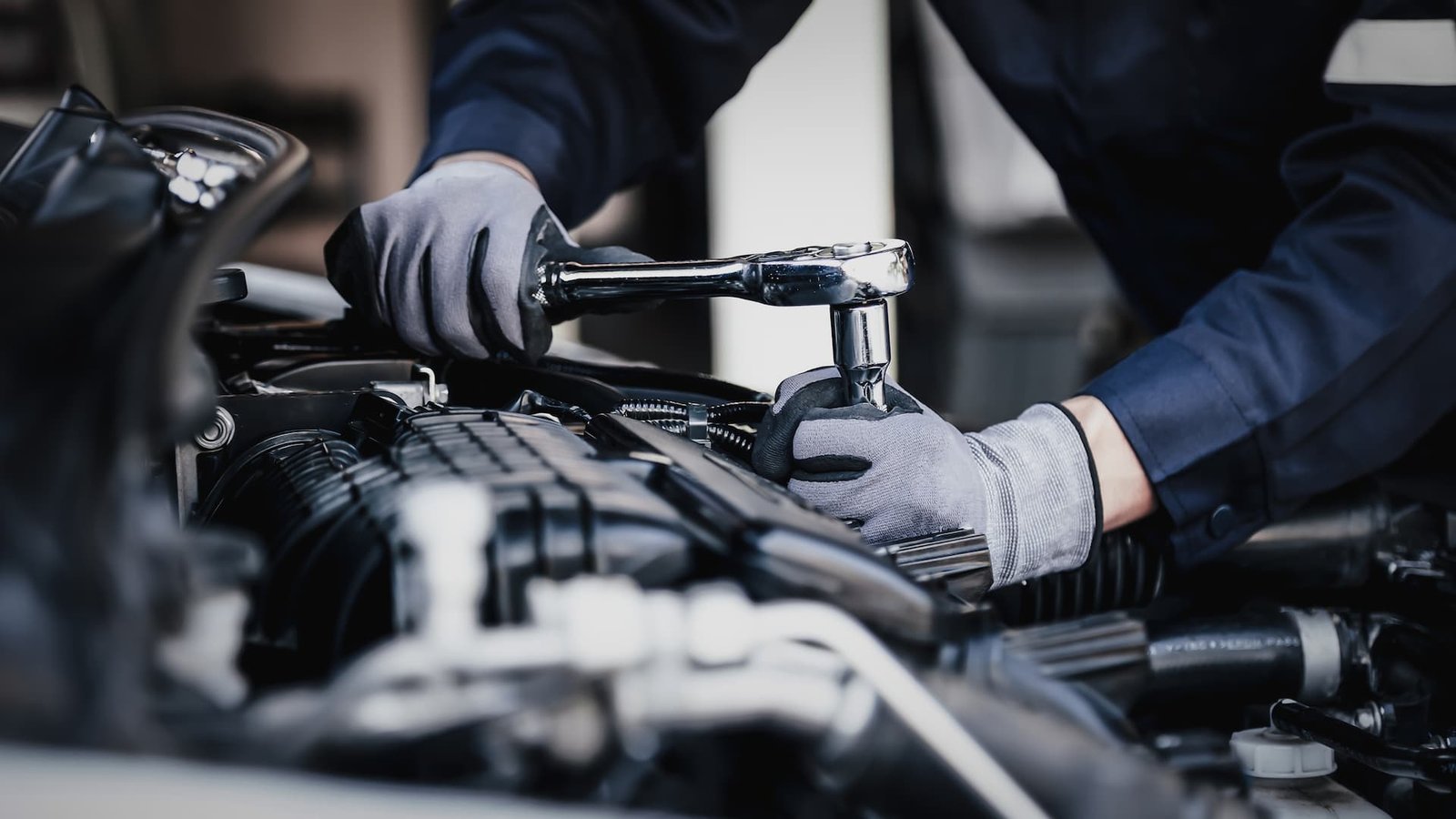
Essentials for a Pack
- Ensure that you have your ice scraper or snow brush readily available and at the ready.
- Stock up on jumper cables and other emergency supplies, such as blankets, flashlights, bottled drinking water, food that is not perishable, and first-aid kits with all the necessary medications.
- Order a free copy of the popular Car Care Guide for your glove box by visiting www.carcare.org/car-care-guide.
The winter can magnify existing issues like hard starts and sluggish performances. A little care and attention now will help you avoid getting stranded in the freezing cold.
Save more money with low gas prices + simple car care
Gas prices are still low. Motorists can take advantage and invest their money back in their cars. The Car Care Council says that by spending just a bit of money now on fuel-efficient improvements, motorists can save even more at the gas pump.
The U.S. Energy Information Administration reports that the cost per gallon is $2.166. Accordingly, the Car Care Council urges drivers to take simple measures to increase fuel efficiency, and to save money.
- Performance of the Engine: Tune your vehicle properly to increase gas mileage on average by four percent.
- Tire pressure: Properly inflated tires can improve fuel mileage up to 3 percent.
- Motor oil: Increase gas mileage from one to two per cent by using motor oils recommended by manufacturers.
- Replace clogged filters in older cars to improve fuel efficiency and accelerate performance.
- Gas cap: Replace damaged, missing or loose gas caps to stop the gas from vaporizing.
- Fix it: According to www.fueleconomy.gov, addressing a serious problem like a defective oxygen sensor can increase mileage by up to 40 percent.
A small, inexpensive investment will result in better fuel efficiency. Nathan Perrine is the executive director of Car Care Council. He said that modifying driving behaviors, like observing speed limits and avoiding sudden stops and starts can increase fuel efficiency. Consolidating trips and eliminating unnecessary items in the trunk can also help reduce fuel consumption.
WebLink
The ABCs of car care
The back-to-school period is the perfect time to brush up on your ABCs, the ABCs for car care. Car Care Council suggests that drivers brush up their knowledge of auto care to ensure their vehicles are operating at their most efficient levels before school starts and fall/winter weather sets in.
Basic car maintenance includes:
- Follow the vehicle’s service schedule.
- Have your vehicle inspected if you think there’s a problem.
- Fix the problem and avoid inconveniences or safety risks of breaking down while away from home.
Nathan Perrine is the executive director of Car Care Council. He said that by following three simple car care tips drivers can prevent minor problems from becoming more complex and expensive. The ‘Five Point Check-Up,’ which is featured in the back-to-school videos offers families valuable safety and maintenance tips to get their cars ready for school transportation.
You should always check your brakes
The non-profit Car Care Council says that August, Brake Safety Month is the ideal time to check your brakes to ensure they’re in good working order before the summer season ends and school starts.
The brakes on any vehicle will eventually need replacing. The brakes of your vehicle should be inspected at least one time a year. This includes checking the brake fluid, rotors, condition, and wear on brake lines and hoses, and also taking a drive in order to identify any other brake problems.
Nathan Perrine is the executive director of Car Care Council. He said that when it comes to the safety of a vehicle, the brakes are at the forefront. A properly functioning brake system is essential for safe driving and vehicle control in a wide range of conditions. By recognizing signs or symptoms of brake problems, motorists can stop any possible brake system issues.
Inspection is necessary if your vehicle pulls to the right or left, or you hear strange noises while applying the brakes. The brake warning light should be illuminated, as well as any other warning signs such as brake grabbing or vibration.
The brake wear is affected by several factors, including the driving style, the operating condition, the vehicle type, and the material of the brake liner. Do not put off brake maintenance or repairs. For example, if the brakes reach the point of “metal to metal”, this can lead to serious accidents and a higher repair bill.
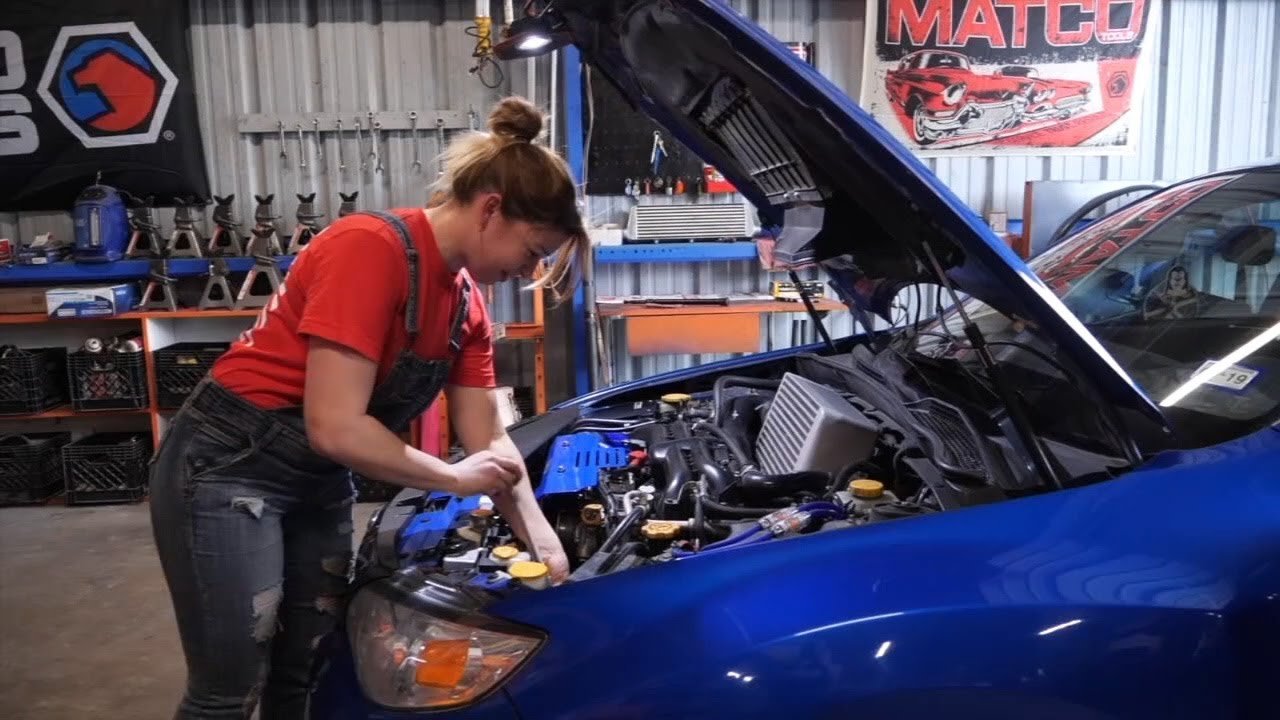
The Summer Heat Can Damage Your Battery
Your car battery is also feeling the heat of summer. According to Car Care Council, contrary to what many people believe, the summer heat is more damaging to your battery than the winter cold.
Nathan Perrine is executive director of Car Care Council. He said: “Most motorists associate dead batteries with severe winter conditions, but the summer heat actually causes them to fail.” Many battery issues begin long before temperatures fall. “Heat, not cold, is the biggest factor in battery life.”
All batteries will eventually need to be changed. Overcharging and excessive heat are two of the main causes for battery degradation. The heat causes the fluid in the battery to evaporate and damage the inner structure. The voltage regulator is usually the malfunctioning part of the charging system that allows a high charging rate. This leads to a slow demise for the battery.
The Car Care Council recommends the following steps to get the best life from a battery:
- Make sure that the battery is being charged at the right rate. Overcharging or undercharging can cause damage to the battery just as easily.
- Check your battery regularly, particularly in warm weather. When necessary, add distilled water.
- Replace a battery that is rated as high or higher than the original.
- Clean the top part of your battery. The dirt acts as a conductor and drains the battery’s power. As corrosion builds up on the battery terminals, it acts as an insulator and inhibits current flow.
The starter will wear out faster if you have a habit of turning the engine on and off frequently. The weather, driving conditions, the mileage of your vehicle, and its age are all factors. If you see that the interior and exterior lights are dimming, the accessories don’t work, and the “check engine light” or battery indicator is illuminated, check the battery.